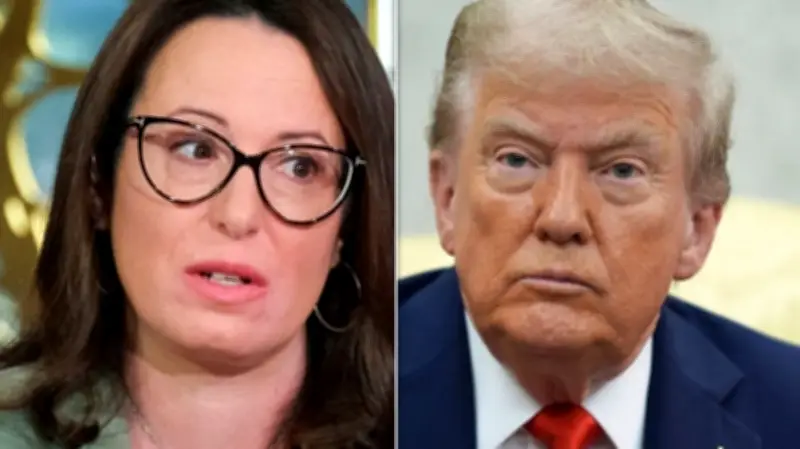
New York Times journalist Maggie Haberman on Tuesday directly challenged the Trump administration's repeated assertion that Donald Trump is the most transparent president in history. Speaking on C-SPAN alongside colleague Jonathan Swan about their new book, Regime Change, Haberman acknowledged that Trump has made revealing comments and broken news during direct phone calls from reporters, but argued the practice is more about appearances than genuine openness.
Controlled Calls as a Display
Haberman explained that these calls, which typically last about two and a half minutes, are tightly controlled by Trump. “He dictates the terms of the discussion and it’s a way to appear and make a display of transparency,” she said. “This administration is very good at making shows of transparency.”
The journalist pointed to White House press secretary Karoline Leavitt’s repeated claim that Trump is “the most transparent president in history.” Haberman responded bluntly: “Which is just simply not true. Not rating him against other presidents, this is not a transparent administration. Those calls allow him to maintain that veneer while really dictating the terms and not answering much at all.”

Swan's Counterpoint
While Swan agreed with Haberman’s overall assessment, he offered a caveat: “It is true, let me be clear, he answers more questions than Joe Biden.” The exchange highlighted the nuanced debate over presidential transparency, with Haberman emphasizing the difference between appearing transparent and being genuinely accessible.
The conversation also touched on the reporting process behind Regime Change, which delves into Trump’s presidency. Both journalists noted that their book relied on extensive interviews and documents rather than the brief, controlled phone calls that Trump often grants to reporters.
Broader Implications
Haberman’s critique comes amid ongoing scrutiny of the Trump administration’s relationship with the press. The White House has frequently touted Trump’s willingness to take questions from reporters, but critics argue that such interactions are often superficial and fail to provide substantive answers. According to Haberman, the administration’s emphasis on these calls is a strategic move to project transparency without actually delivering it.