In a striking display of cultural diplomacy, the leaders of Japan and South Korea recently swapped policy papers for drumsticks. Following formal discussions in the historic Japanese city of Nara, the two heads of state engaged in an unexpected and rhythmic bonding session.
A Diplomatic Encounter Strikes a New Chord
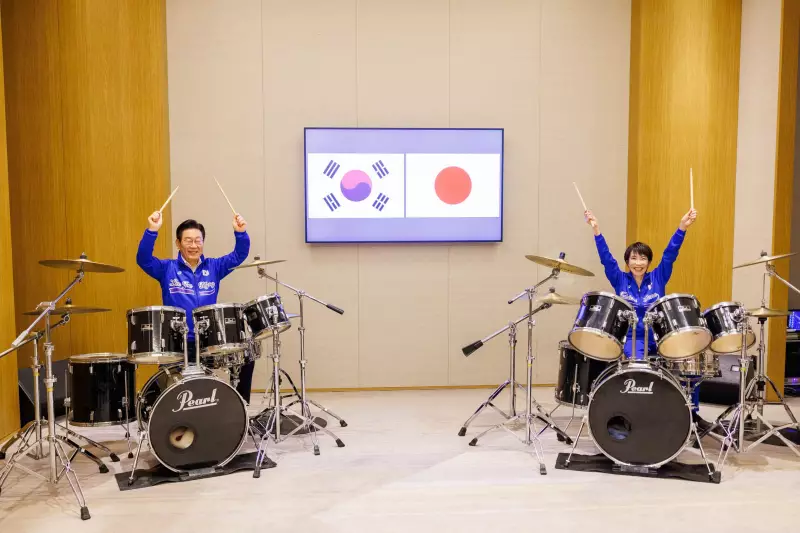
The meeting on January 13, 2026, between South Korean President Lee Jae Myung and Japanese Prime Minister Sanae Takaichi concluded with more than just a joint statement. After their official talks, the pair participated in a lighthearted cultural exchange, taking up drumsticks to play along to popular K-pop songs.
This informal moment, captured in a photograph distributed by the Associated Press via CNN Newsource, shows the two leaders focused on a shared drum kit. The scene, set in central Japan, provided a symbolic and modern counterpoint to the ancient capital of Nara, a city itself emblematic of deep historical ties between the two nations.

Symbolism Beyond the Beat
Analysts suggest the act of playing K-pop, a global cultural phenomenon originating from South Korea, is rich with diplomatic significance. It represents a Japanese leader actively engaging with and celebrating a core element of contemporary South Korean soft power. This "drumstick diplomacy" appears designed to foster personal rapport and signal a warming of relations at the highest levels, moving beyond historical and political tensions through shared cultural appreciation.
The choice of activity underscores a deliberate effort to connect on a human level, using music as a universal language. Such informal interactions are increasingly seen as vital for building the trust necessary to navigate complex bilateral issues, from trade to regional security.
Setting a New Tone for Regional Relations
The Nara meeting and its unique finale mark a continued effort to stabilize and improve ties between the two key East Asian allies of the United States. While the substantive outcomes of their political discussions were not detailed in the initial report, the powerful imagery of collaborative music-making sends a clear public message of cooperation and mutual respect.
This event demonstrates how modern diplomacy can extend beyond conference rooms, utilizing cultural touchpoints to create memorable narratives and strengthen international partnerships. The sight of the two leaders keeping time together offers a hopeful metaphor for aligning their nations' policies and future interests in the region.