

Farmers across Southern Alberta are expressing a wave of relief and renewed optimism following a major trade announcement from Beijing. The Chinese government has agreed to significantly reduce punitive tariffs on key Canadian agricultural exports, including canola seed and peas.
A Breakthrough in Beijing
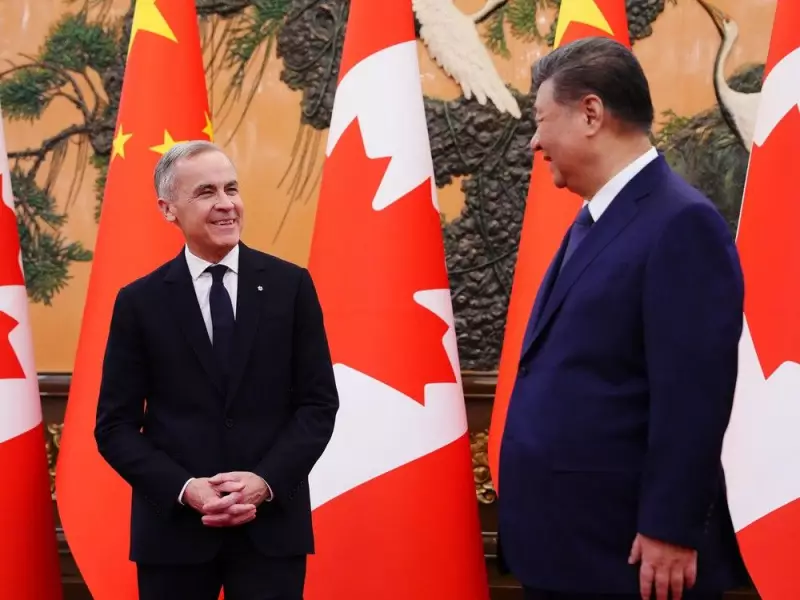
The deal, announced on Friday, January 16, 2026, came after meetings between Prime Minister Mark Carney and Chinese President Xi Jinping. China will cut its tariffs on Canadian canola seed from approximately 85% down to 15%, effective in March. This includes the removal of a separate nine per cent baseline tariff that applied to all seed imports.
Furthermore, Chinese "anti-discrimination" tariffs will be eliminated entirely for Canadian canola meal, peas, lobsters, and crabs. This suspension is set to last from March until at least the end of the year. Notably, the 100 per cent tariff on Canadian canola oil was not addressed in this announcement.

Financial Lifeline for Alberta Farms
For producers like Christine McKee, who operates a 2,400-hectare farm near Sterling, southeast of Lethbridge, the news is a crucial financial lifeline. The tariffs, initially imposed in August as part of an anti-dumping investigation by China, had severely depressed market prices.
"It's costing $14 a bushel to produce (canola), so when we're selling it for $13, we are really losing money," McKee explained. She noted the price had fallen from about $16 to $13 per bushel, an impact she described as "terrible." This squeeze forced difficult decisions, halting community spending and delaying machinery payments.
"We're running big businesses here, but we are price takers," McKee said. "It was a political move, and to have that put on us, it can have devastating consequences for the farm being able to carry forward."
Looking Ahead with Optimism
With the trade barrier lifting, McKee and other farmers now expect canola prices to rise. This assurance of a "decent" price allows them to plan for the future with more confidence. "We're going to look at putting more canola in the ground because the outlook is more positive," McKee stated, highlighting the inherent optimism within the farming community.
The Grain Growers of Canada echoed this sentiment in a news release, emphasizing that China is Canada's second-largest grain market. The organization pointed out that prolonged trade disruptions have had "real consequences on farm revenues, cash flow, and confidence." They hailed any progress that lowers barriers as "a positive step for farmers who depend on stable, rules-based trade."
Prime Minister Carney, who prioritized these tariff reductions, received gratitude from the agricultural sector. McKee expressed that the move made farmers feel respected and valued by national leaders. This pivotal agreement marks a significant step toward restoring stability and profitability for a cornerstone of the Canadian economy.






