Ukraine has formally accused Israel of importing grain that was allegedly stolen by Russian forces from Ukrainian territories, escalating a diplomatic dispute amid the ongoing war. President Volodymyr Zelenskyy warned that Kyiv would impose sanctions on entities involved in the trade, signaling a tougher stance against countries that continue commercial ties with Russia in ways that undermine Ukraine's sovereignty.
Allegations of Stolen Grain Imports
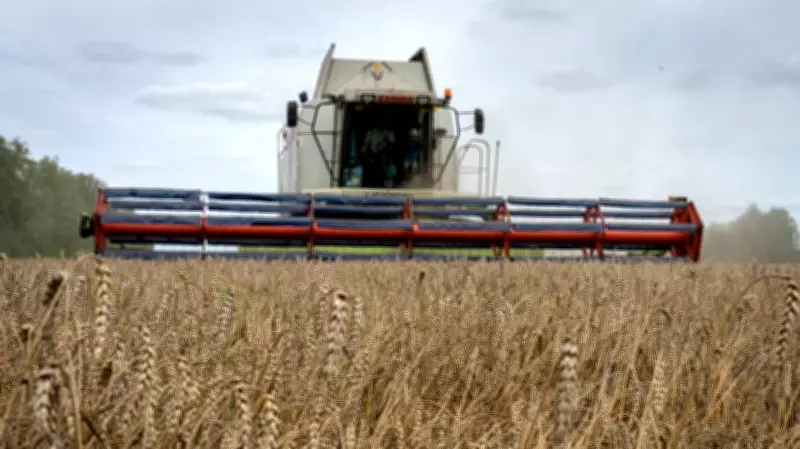
The Ukrainian government claims that Israel has been purchasing grain harvested from occupied Ukrainian lands, effectively legitimizing Russia's looting of agricultural resources. According to Kyiv, satellite imagery and trade data show shipments of wheat and barley from Russian-controlled ports in Crimea and other occupied regions to Israeli buyers. Ukrainian officials argue that this constitutes a violation of international law and undermines efforts to isolate Russia economically.
Israel has denied the allegations, stating that it follows strict import protocols and verifies the origin of all agricultural products. However, Ukraine insists that the grain in question originates from Ukrainian farms that were seized by Russian troops, and that Israel's failure to investigate the supply chain amounts to complicity.

Zelenskyy's Warning of Sanctions
President Zelenskyy, in a televised address, declared that Ukraine would retaliate against any country that profits from stolen Ukrainian grain. "We will not allow anyone to benefit from our suffering," he said. "Those who buy stolen goods are no better than the thieves themselves." He hinted at potential sanctions against Israeli companies and individuals involved in the trade, as well as possible restrictions on Israeli investments in Ukraine.
The warning comes as Ukraine seeks to bolster its own agricultural exports and regain control over its Black Sea ports, which have been blockaded by Russia. Kyiv has been working with international partners to track and disrupt the flow of stolen grain, but the alleged Israeli imports represent a significant challenge to these efforts.
Diplomatic Repercussions
The accusation has strained relations between Ukraine and Israel, two countries that have historically maintained close ties. Israel has sought to balance its support for Ukraine with its own security interests in the Middle East, including maintaining communication with Russia regarding Syria. This latest dispute could further complicate that balancing act.
Ukrainian Foreign Minister Dmytro Kuleba summoned the Israeli ambassador to Kyiv for an explanation, demanding a full investigation and an immediate halt to any imports of stolen grain. Israel's foreign ministry has yet to issue a formal response, but diplomatic sources indicate that the matter is being taken seriously.
International Reactions
The United States and the European Union have expressed concern over the allegations, urging Israel to cooperate with Ukraine's investigation. The U.S. State Department called for "full transparency" in grain trade with Russia and its occupied territories. Meanwhile, Russia dismissed the accusations as propaganda, accusing Ukraine of trying to disrupt global food supplies.
The incident highlights the broader challenges of enforcing sanctions and preventing the exploitation of occupied territories. Agricultural experts warn that stolen grain from Ukraine is entering global markets through complex supply chains, making it difficult to trace. Ukraine's call for sanctions against Israel may set a precedent for how other countries handle similar allegations.
Broader Context of the War
The grain dispute is part of a larger pattern of Russia's exploitation of Ukrainian resources during the war. Since the invasion in 2022, Russia has systematically looted grain, metals, and other commodities from occupied areas, often selling them on international markets at discounted prices. Ukraine has repeatedly called on its allies to close loopholes that allow such trade to continue.
President Zelenskyy's threat of sanctions against Israel signals a more aggressive Ukrainian foreign policy, aimed at isolating Russia's economic partners. As the war enters its fourth year, Kyiv is increasingly willing to confront even friendly nations that it believes are undermining its struggle for survival.