A 64-year-old survivor of the 1994 Rwandan genocide has been granted another opportunity to pursue refugee status in Canada after a Federal Court judge determined that immigration officials failed to properly consider her traumatic experiences during the evaluation process.
Court Criticizes Immigration Official's Approach
Justice Andrew J. Brouwer ruled that a member of the Refugee Protection Division made an unreasonable decision by not adopting "a trauma-informed, intersectional approach to the adjudication of the applicant's claim." The judge emphasized that this failure resulted in a decision that was not justified given the legal and factual circumstances surrounding the case.
The court heard that Beatha Mutangampundu, a Tutsi survivor of what the judge described as "one of the worst atrocities in recent memory," had been subjected to what he called "an inexplicably hostile" interrogation by Canada Border Services Agency officers about the merits of her refugee claim.

Background of the Rwandan Genocide
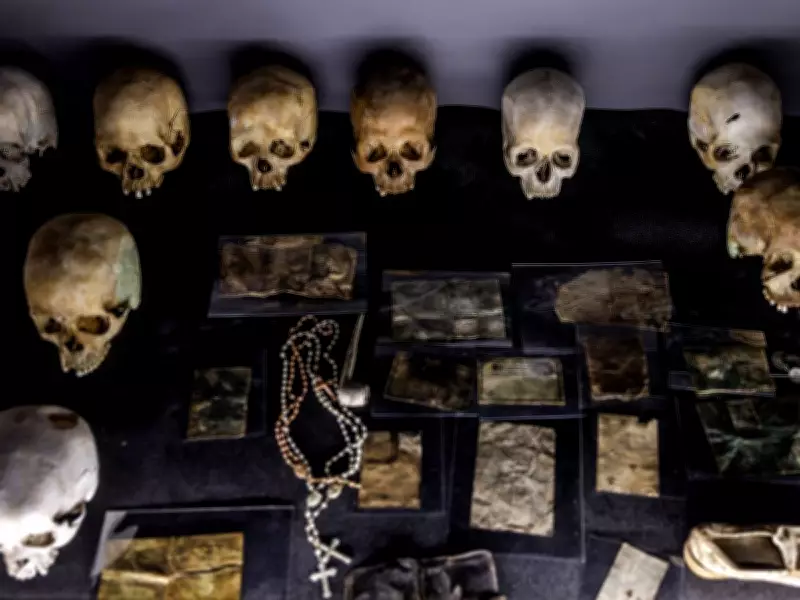
During the 1994 Rwandan genocide, extremist members of Rwanda's ethnic Hutu majority orchestrated the mass murder of approximately 800,000 people within just three months. This represented over 10 percent of the country's population at that time. The systematic campaign sought to exterminate the ethnic Tutsi population, which comprised roughly 14 percent of Rwandans, while also targeting politically moderate Hutus and Indigenous Twa people.
Hutu hardliners coordinated killings and widespread sexual violence throughout the country, distributing arms and issuing commands via FM radio to grassroots militia groups. These local militias then hunted down neighbors and even relatives in communities across Rwanda.
The Applicant's Journey to Canada
Having recently been widowed, Mutangampundu arrived in Canada on June 24, 2021, and requested refugee protection based on her fear of persecution for what she claimed were imputed anti-government political opinions. She alleged that the Rwanda Bureau of Investigation was attributing these political opinions to her because of her association with a gospel singer and government critic who had recently been assassinated for his political stance.
When Mutangampundu arrived at the Canada-U.S. border at Roxham Road and declared her intention to seek refugee status, she was taken for questioning by Canada Border Services Agency officers. According to Justice Brouwer's March 9 decision, while CBSA officers have a mandate to examine arriving refugee claimants to determine their admissibility to Canada, they are "not trained refugee adjudicators and have no authority to make findings regarding the credibility or merits of the refugee claims of those they interview."
Problematic Border Examination
Mutangampundu's two-hour Point of Entry examination took place the day after her arrival. The CBSA officer concluded there were no identity, criminality or security issues but asserted that some aspects of her refugee claim were not credible. The officer indicated the CBSA should intervene in the Refugee Protection Division hearing to challenge her credibility.
Justice Brouwer determined that this approach was inappropriate, noting that the officer had overstepped their authority by making credibility assessments that should have been left to trained refugee adjudicators. The judge emphasized the importance of considering the applicant's traumatic background when evaluating her testimony and claims.
The court's decision sets aside the previous refusal of refugee protection and sends the matter back for reconsideration by a different member of the Refugee Protection Division. This ruling highlights the growing recognition within Canada's legal system of the need for trauma-informed approaches when dealing with survivors of severe human rights violations and mass atrocities.