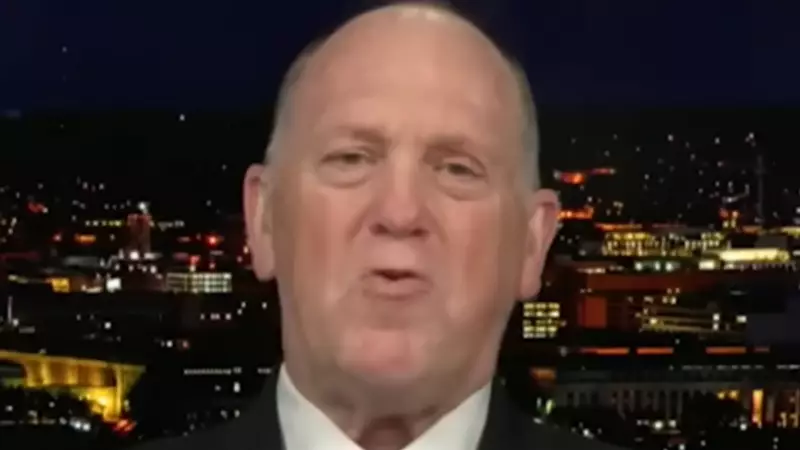
Tom Homan, a key immigration advisor to former President Donald Trump, has unveiled a controversial proposal to create a public database targeting individuals who protest against immigration enforcement. The plan, which critics are labelling as authoritarian, aims to publicly identify and shame people arrested during demonstrations against Immigration and Customs Enforcement (ICE) operations.
Public Shaming as a Proposed Tactic
During an appearance on Fox News with host Laura Ingraham on Thursday, Homan laid out his vision. While acknowledging the right to protest, he issued a stark warning. "When you cross a line and we've proven it," Homan stated, the consequences would escalate. He specifically cited actions like interfering with, impeding, or assaulting an ICE officer.
"One thing I'm pushing for now, we're going to create a database," Homan declared. "Those people that are arrested for interference or impeding, assault, we're going to make them famous and put their face on TV." He elaborated that the intent is to notify an individual's employer, neighborhood, and school about their arrest. Homan further speculated, without evidence, that many protesters might be lying to their employers about taking time off to demonstrate.

Immediate Backlash and Due Process Concerns
The proposal was met with swift condemnation on social media and by legal observers. A primary criticism focuses on the bypassing of the judicial system. Homan repeatedly mentioned shaming individuals following their arrest, not a conviction. This approach, critics argue, punishes people without due process, undermining a cornerstone of the justice system.
"If someone broke a law, you charge them and prove it in court. You don't threaten to put their face on TV and call their boss," argued one critic online, calling it "punishment without due process." Others warned the plan would have a chilling effect on free speech and peaceful assembly, rights protected under the First Amendment.
Calls for Scrutiny and Predictions of Backfire
Many responses highlighted a perceived double standard. Noting that ICE officers sometimes wear masks to protect their identities from being doxxed, critics asked why protesters should face public exposure. "Maybe they should unmask ICE while they're at it," one person suggested. Others argued that if such a database were created for protesters, ICE agents should be subject to identical public scrutiny for their actions.
Several commentators predicted the strategy would ultimately fail. "100% guarantee this will backfire," one user wrote. Legal experts also pointed out that employers could face legal jeopardy if they fired an employee for engaging in lawful protest activity on their own time, potentially blunting the intended economic threat of the database.
The proposal from Trump's former border czar has ignited a fierce debate, placing a spotlight on the tensions between immigration enforcement, protest rights, and the limits of government power to publicly shame its critics.