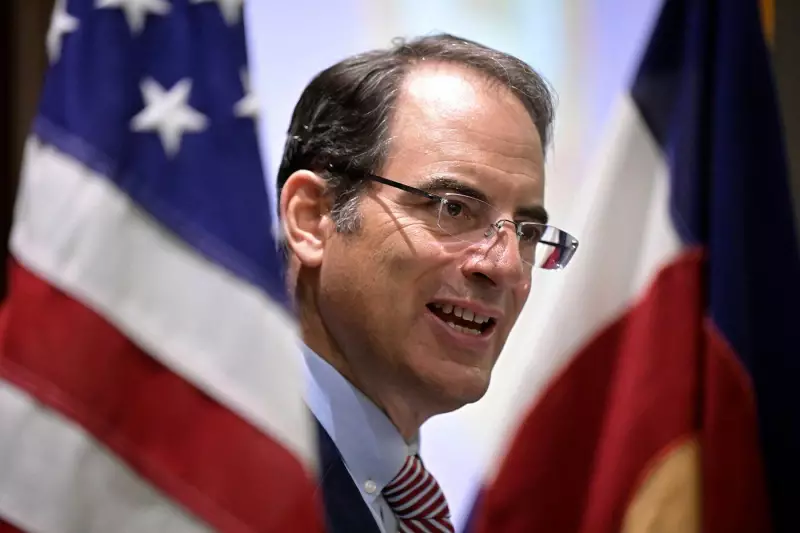
Colorado's top legal official has launched a sharp accusation against former U.S. President Donald Trump, alleging a campaign of political retaliation. Attorney General Phil Weiser claims Trump is targeting the state for its refusal to release a county clerk convicted of election-related offenses.
The Core Allegation: A Political Vendetta
Attorney General Phil Weiser, in a statement issued on January 08, 2026, framed the former president's actions as a deliberate "revenge campaign." The conflict stems from Colorado's decision not to grant clemency or early release to the convicted elections clerk. Weiser suggests Trump's rhetoric and legal challenges against Colorado officials are directly tied to this refusal, representing an attempt to intimidate and punish the state for upholding its judicial process.
Background of the Convicted Clerk
The central figure in this dispute is a former Colorado county elections clerk found guilty of breaching election security protocols. While the original report does not name the clerk, the conviction relates to actions that compromised the integrity of election systems. Colorado's justice system upheld the conviction, and state authorities, including the Attorney General's office, have stood by the court's decision, rejecting calls for intervention that originated from Trump's circle.

Weiser's accusation implies that Trump views the clerk's conviction as a personal affront and is leveraging his political influence to pressure state officials. This sets a concerning precedent where state-level legal judgments could become focal points for national political feuds.
Broader Implications for State Sovereignty
This confrontation highlights the ongoing tension between state autonomy and federal political influence. Weiser's public framing of Trump's actions as a "revenge campaign" is a significant escalation, portraying the dispute not as a simple policy disagreement but as a targeted effort to undermine Colorado's legal authority.
For Canadian observers, this story underscores the volatile nature of U.S. political discourse and its potential impact on institutional stability. It raises questions about the pressure state officials can face when their decisions conflict with the agendas of powerful national figures. The Colorado Attorney General's office, by making this accusation, is drawing a clear line in defense of the state's independent judicial outcomes.
The situation remains dynamic, with potential for further legal and political maneuvers. Weiser's statement serves as a forceful defense of Colorado's position and a warning against external interference in its state legal matters.