A Toronto lawyer whose name has been linked to a deadly triple shooting has lost a critical appeal, a decision that came after the court discovered he had used artificial intelligence in his legal proceedings. The ruling was delivered on January 08, 2026.
The Appeal and AI Discovery
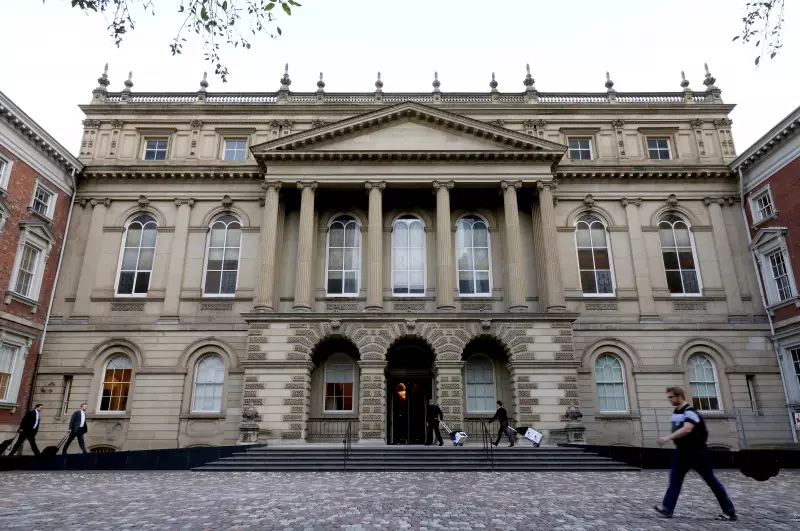
The lawyer, whose case was heard at Osgoode Hall, saw his appeal dismissed following the revelation that he had employed AI technology. The exact nature of how the AI was used has not been fully disclosed, but its discovery played a significant role in the court's decision to reject his appeal. This incident highlights the growing scrutiny and complex ethical questions surrounding the use of artificial intelligence within the Canadian justice system.
Connection to a Fatal Incident
The legal professional at the center of this ruling was previously connected to a deadly triple shooting. While the original news report by Phil Tsekouras did not specify the lawyer's exact role in that case, the association has cast a long shadow over his professional standing. The loss of this appeal represents a major setback in his ongoing legal battles.

Broader Implications for Legal Practice
This case sets a notable precedent in Canada regarding professional conduct and the integration of new technologies like AI into legal work. The court's firm stance suggests a zero-tolerance approach to the inappropriate or undisclosed use of such tools, especially in matters as serious as those involving violent crime. It serves as a stark warning to legal practitioners across the country about the potential consequences of over-relying on or misrepresenting AI-generated work.
The outcome underscores the importance of transparency and adherence to traditional ethical standards, even as the legal profession evolves with technological advancements. For the Toronto lawyer involved, the path forward is now significantly more challenging following this definitive judicial rejection.