Edmonton Mayor Condemns Police Chief's Israel Trip Amid Community Backlash
Edmonton has found itself at the center of a heated controversy following Police Chief Warren Driechel's professional development trip to Israel, with Mayor Andrew Knack leading criticism over concerns about Islamophobia and community relations. The dispute has drawn in Canada's oldest mosque and numerous Muslim advocacy organizations, creating a significant rift in the city's political landscape.
The Controversial Trip and Its Aftermath
Chief Driechel's journey to Israel was organized through the professional organization for North America's major city police chiefs, with his participation approved by civilian oversight and funded by the organization. According to Driechel, the delegation focused primarily on visiting police stations and meeting with law enforcement leaders to understand their approaches to community policing.
"My big takeaway was learning how they build connections to all their community, including the Muslim people living within Israel," Driechel explained in a CityNews interview. He emphasized that the trip provided valuable insights into historical and geopolitical contexts that might influence community dynamics in Edmonton.

The police chief clarified that the delegation did not meet with any government officials, military representatives, or intelligence networks during their visit. Instead, the focus remained strictly on professional law enforcement development and cross-cultural understanding.
Community Reaction and Political Response
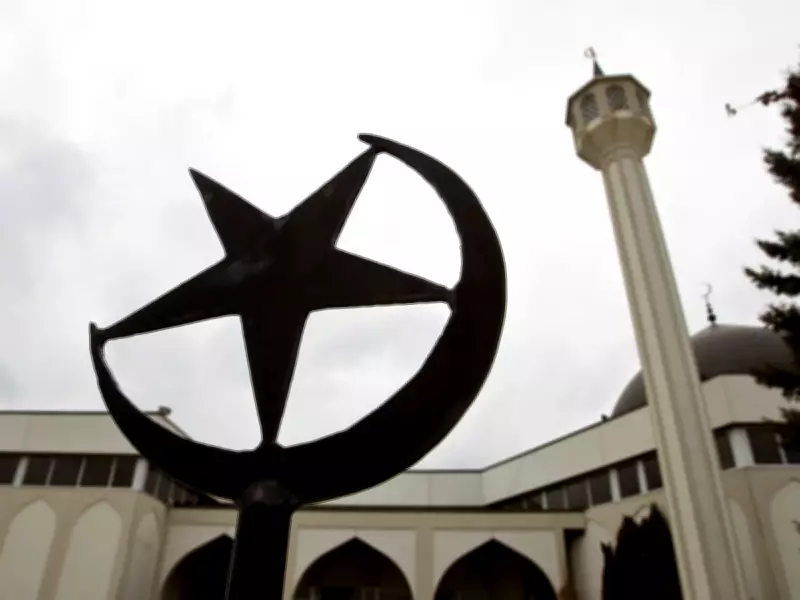
The National Council for Canadian Muslims, joined by 25 Muslim organizations including Edmonton's historic Al-Rashid Mosque, expressed profound disappointment with Driechel's decision. In a strongly worded statement, they called for the police chief's resignation unless he could provide satisfactory explanations regarding the trip's purpose, lessons learned, and plans to rebuild trust with Muslim communities.
"At a time when countless families in Edmonton are grieving the devastating violence unfolding in Gaza and the region more broadly, this decision demonstrates a serious failure of judgment toward the communities he is sworn to serve and protect," the organizations declared.
Mayor Andrew Knack quickly amplified these concerns, criticizing the trip for damaging relationships with communities that already feel marginalized. "At a time of rising Islamophobia, anti-Palestinian racism, anti-semitism, and hate towards marginalized communities, the choice to make this trip is harmful and further alienates members of our community," Knack stated.
Historical Context and Security Considerations
The controversy emerges against the backdrop of Edmonton's own experience with terrorism. In 2017, the city narrowly avoided tragedy when Abdulahi Sharif, an ISIS flagbearer, attempted to kill pedestrians with a U-Haul truck downtown. Edmonton has also seen residents travel abroad to join ISIS, making counterterrorism expertise particularly relevant to local law enforcement.
Israel, as one of the most terrorism-affected developed nations in the world, offers unique insights into policing strategies and community relations in high-risk environments. Driechel argued that learning from such experiences should be uncontroversial for a city with direct exposure to similar security challenges.
Broader Implications and Political Dynamics
The dispute highlights growing tensions between law enforcement priorities and community sensitivities in multicultural urban centers. Mayor Knack's criticism stands in contrast to his own international travels, including a recent trip to China despite that country's documented repression of Muslim populations along its western frontier.
Al-Rashid Mosque, established in 1938 and relocated to its current site in 1982, has become a symbol of Canadian multiculturalism. Its involvement in the controversy underscores the deep connections between religious institutions and political advocacy in contemporary Canadian society.
As Edmonton navigates these complex issues, the debate raises fundamental questions about professional development for public officials, community trust-building, and the balancing of security concerns with cultural sensitivities in an increasingly polarized political climate.