Vancouver to Remove Lifeguards from Select Beaches for 2026 Season
The City of Vancouver has announced a significant change to its waterfront safety protocols, confirming that lifeguard services will be removed from several beaches for the upcoming 2026 season. This decision, driven by budgetary pressures and a reevaluation of resource allocation, marks a notable shift in how the municipality approaches public safety along its popular coastal areas.
Budgetary Constraints Force Service Reductions
According to city officials, the removal of lifeguards is a direct result of ongoing financial challenges. With increasing operational costs and competing priorities for municipal funds, the parks and recreation department has been forced to make difficult choices. The specific beaches affected have not yet been publicly disclosed, but insiders suggest they will likely include locations with historically lower incident rates or alternative safety measures in place.
The city emphasizes that this is not a permanent elimination but a seasonal adjustment for 2026. However, critics argue that any reduction in lifeguard presence inherently increases risks for swimmers, particularly children and inexperienced beachgoers. Vancouver's beaches attract millions of visitors annually, especially during the summer months when lifeguard services are most critical.

Safety Implications and Public Response
Public safety advocates have expressed concern over the decision, noting that lifeguards play a vital role in preventing drownings and responding to emergencies. "While we understand the city's budgetary limitations, removing lifeguards from any beach compromises public safety," stated a representative from a local water safety organization. "This could lead to tragic consequences if not carefully managed."
The city plans to implement additional safety measures to mitigate risks, including:
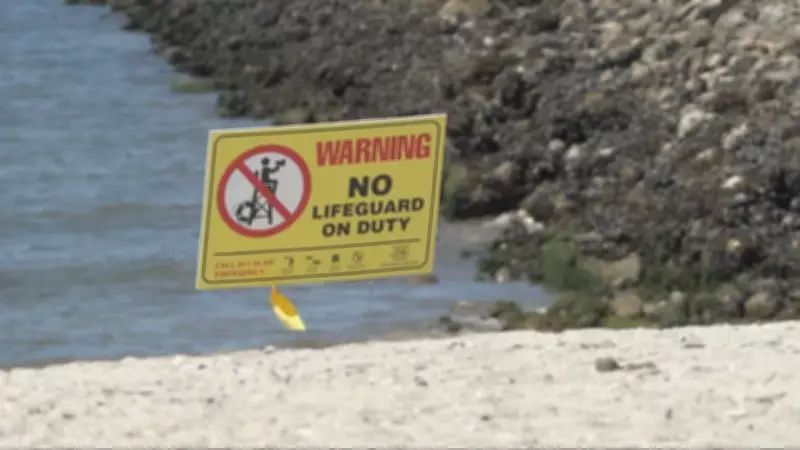
- Enhanced signage warning swimmers of unsupervised areas
- Increased patrols by park rangers and community safety officers
- Public awareness campaigns about water safety and swimming risks
- Installation of emergency call boxes at affected beaches
Despite these planned alternatives, many residents remain skeptical. Social media discussions have highlighted worries about tourist safety and potential liability issues for the city. Some have suggested that the savings from lifeguard reductions might be offset by increased emergency response costs if incidents occur.
Broader Context of Municipal Service Adjustments
This move aligns with broader trends in municipal governance where cities are reassessing service delivery models amid financial pressures. Vancouver has previously adjusted other public services, including transit schedules and community center hours, in response to budgetary constraints. The lifeguard decision appears to be part of this larger pattern of strategic resource reallocation.
City council members will review the specific implementation plan in upcoming meetings, with opportunities for public input. The final list of affected beaches is expected to be released by late 2025, giving residents and visitors time to adjust their plans. Meanwhile, the parks department is exploring partnerships with community organizations to potentially supplement safety monitoring through volunteer programs.
As Vancouver prepares for the 2026 season, this policy change will undoubtedly spark continued debate about how municipalities balance fiscal responsibility with public safety commitments in an era of increasing service demands.