Winnipeg Advised to Reject Managed Homeless Encampment Plan Over Cost and Timing Concerns
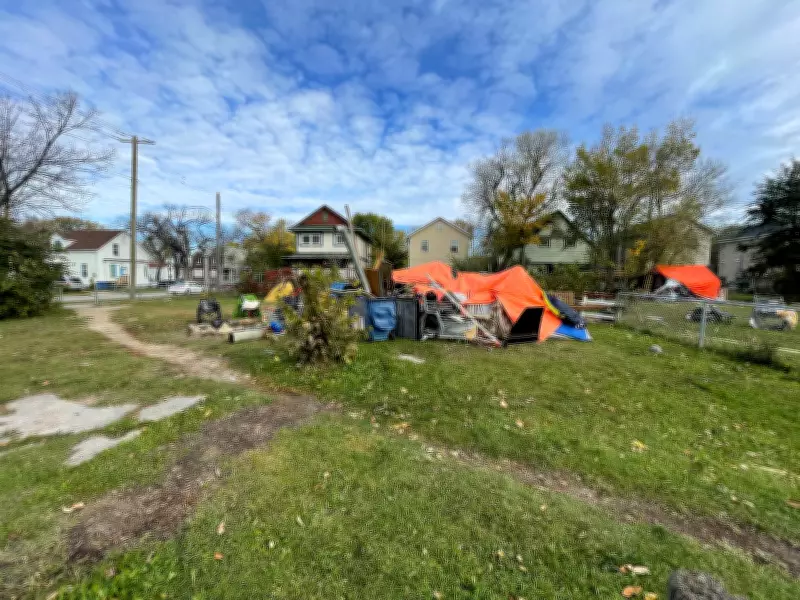
In a significant development for urban policy, Winnipeg city officials have been advised to reject a proposed managed homeless encampment plan. The recommendation stems from concerns over the high financial costs and problematic timing associated with the initiative. This advice comes at a critical juncture, as reports indicate a growing number of chronically homeless individuals in the city, highlighting the urgency of addressing homelessness while balancing practical constraints.
Rising Homelessness and the Proposed Solution
According to End Homelessness Winnipeg, the number of chronically homeless people in Winnipeg is on the rise, underscoring the need for effective interventions. The managed encampment plan was envisioned as a structured approach to provide temporary shelter and support services for this vulnerable population. However, city advisors have raised red flags, citing that the projected expenses are too substantial for the current budget and that the implementation timeline does not align with other municipal priorities.
Financial and Logistical Hurdles
The cost of establishing and maintaining a managed homeless encampment is a primary factor in the recommendation to reject the plan. City analysts estimate that the initiative would require significant funding for infrastructure, security, sanitation, and social services, which could strain public resources. Additionally, the timing of the proposal is seen as unfavorable, potentially conflicting with ongoing city projects and seasonal factors that could complicate setup and operation.

Key concerns include:
- High upfront and ongoing costs that may exceed available funding.
- Logistical challenges in securing suitable locations and managing encampments safely.
- Potential delays in implementation that could hinder timely aid to the homeless.
Broader Implications for Urban Policy
This decision reflects broader tensions in municipal governance between addressing social issues and managing fiscal responsibility. While homelessness remains a pressing concern in Winnipeg, city leaders must weigh the benefits of managed encampments against other potential solutions, such as affordable housing programs or expanded shelter services. The rejection advice may prompt a reevaluation of strategies to combat homelessness, with a focus on more cost-effective and timely approaches.
As Winnipeg grapples with these challenges, stakeholders, including advocacy groups and residents, are calling for innovative solutions that balance compassion with practicality. The outcome of this recommendation could set a precedent for how other Canadian cities handle similar dilemmas in the future.