Majority of Canadian Provinces Reject Federal Firearms Buyback Program
In a significant development for national firearms policy, more than half of Canada's provinces and territories have formally rejected participation in the federal government's controversial firearms compensation program. This widespread provincial opposition creates substantial challenges for the implementation of the federal initiative designed to remove certain weapons from circulation.
Newfoundland and Labrador Latest to Opt Out
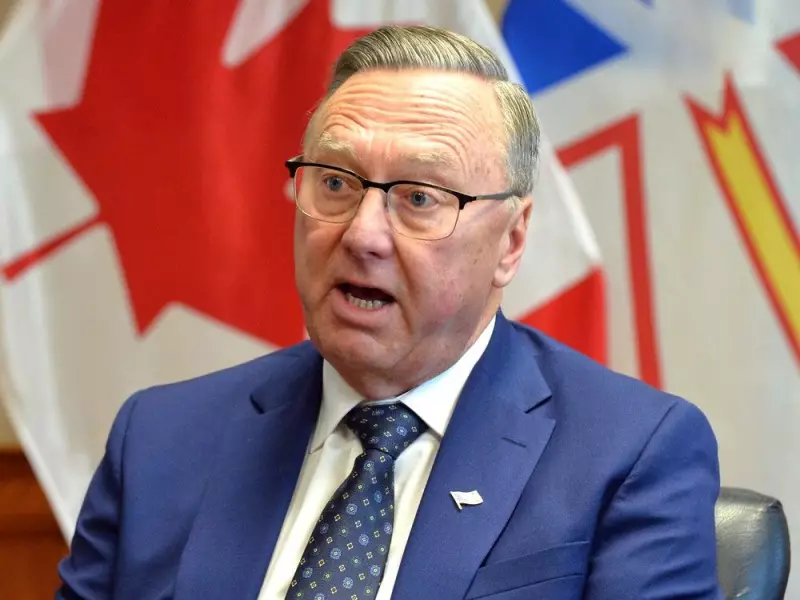
Newfoundland and Labrador has become the latest jurisdiction to announce its non-participation in the federal buyback scheme. Premier Tony Wakeham, speaking during meetings in Ottawa with other provincial leaders and Prime Minister Mark Carney, emphasized his support for the prime minister in many areas but drew a clear line on this particular policy.
"When you have law-abiding citizens — these are not the problem," Wakeham stated firmly during his Ottawa visit. The premier highlighted the cultural significance of hunting in his province, adding that "hunting is part of our life" in Newfoundland and Labrador, and expressing his desire not to see this tradition "impeded in any way."

Growing List of Opposing Jurisdictions
The resistance to the federal program extends far beyond Atlantic Canada. Several other provinces have taken similar positions against the initiative:
- Ontario, Manitoba, Saskatchewan, and Alberta have all rejected the compensation program
- Saskatchewan and Alberta have taken legislative measures that federal officials acknowledge create implementation difficulties
- The territorial governments of Yukon and the Northwest Territories have also stated they have no plans to participate
New Brunswick has joined this growing coalition of non-participating jurisdictions. The head of the province's police association recently told media that police services lack the necessary resources to assist with the policy implementation. Provincial Public Safety Minister Robert Gauvin confirmed New Brunswick declined to enter into an agreement with the federal public safety department, calling instead for a collection plan that doesn't impact police officers.
Federal Response and Quebec's Participation
Despite this provincial resistance, federal officials maintain they have the ability to roll out the program in every jurisdiction except Saskatchewan and Alberta. They have proposed deploying mobile collection units to gather firearms and attempting to work with local police services and provincial governments where possible.
Quebec currently stands as the only province to have signed a formal agreement with the federal government. The $12-million contribution agreement commits Quebec to assisting with coordination of collection efforts. Federal Public Safety Minister Gary Anandasangaree confirmed on Tuesday that the Sûreté du Québec, the provincial police force, would participate in the program.
Program Details and Current Status
The federal compensation program, officially launched earlier this month, targets weapons the government deems too dangerous for public use, including models like the AR-15. Since 2020, the Liberal government has banned more than 2,500 makes and models of what it calls "assault-style" firearms.
Minister Anandasangaree has noted some progress, applauding the fact that impacted gun owners have submitted declarations for slightly more than 22,000 weapons. The federal government has allocated $250 million for compensation, expecting to cover approximately 136,000 firearms through the program.
This provincial resistance highlights the ongoing tension between federal firearms policy and provincial implementation capacity, setting the stage for continued debate about gun control measures across Canada.