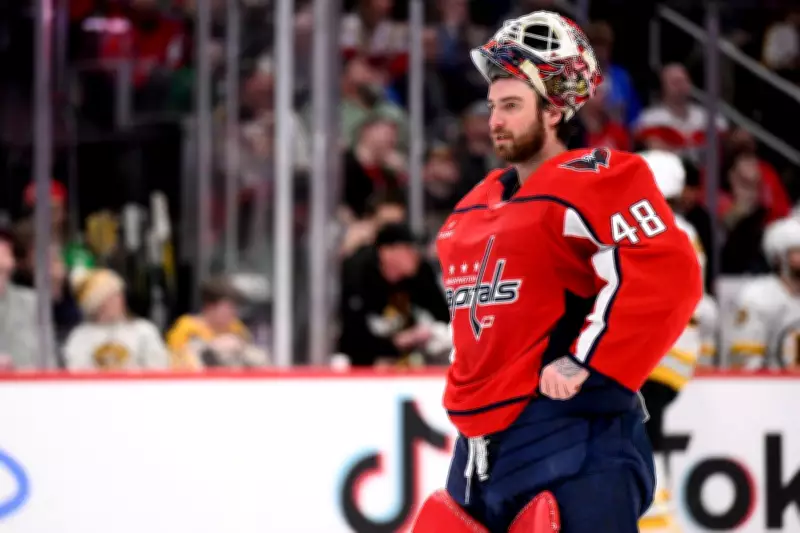
In the high-stakes world of professional hockey, a peculiar and widely observed ritual unfolds on game days: the silence of the goaltenders. Across the National Hockey League, it is a common practice for netminders to avoid speaking to the media or engaging in extensive interviews on the day they are slated to play. This tradition, rooted in psychological strategy and performance optimization, has become an integral part of the pre-game routine for many of the league's top puck-stoppers.
The Mental Fortress: Building Focus and Avoiding Distractions
The primary rationale behind this media blackout is the intense mental preparation required for the goaltending position. Unlike other players, goalies bear a unique burden; they are the last line of defense, and their performance can single-handedly determine the outcome of a game. As such, the hours leading up to puck drop are often dedicated to constructing a mental fortress—a state of hyper-focus where external distractions are minimized.
"You don't want any negativity seeping in," explained a veteran NHL goaltender who requested anonymity. "On game day, it's all about visualization, reviewing tendencies, and getting into that zone. Even a seemingly harmless question from a reporter can break that concentration or introduce doubt."

A Widespread Practice with Deep Roots
This practice is not new; it has been passed down through generations of goaltenders. Legends of the game have long emphasized the importance of mental solitude before a performance. Today, it is so ingrained that many teams formally excuse their starting goalies from media obligations on game days, with backup goalies or skaters often stepping in to handle interviews.
The routine varies by individual. Some goalies maintain complete silence, avoiding all non-essential communication. Others might engage in limited, scripted interactions but steer clear of in-depth discussions about strategy or opponent analysis. The common thread is the conscious effort to control the mental narrative and preserve emotional energy.
The Science Behind the Silence
Sports psychologists affirm the validity of this approach. The pre-performance period is critical for activating the parasympathetic nervous system, reducing anxiety, and enhancing focus. For a position as mentally demanding as goaltending, where split-second decisions are made under extreme pressure, eliminating potential stressors—like probing media questions—can be a key component of peak performance.
"It's about cognitive resource allocation," said Dr. Elena Vance, a sports psychologist who has worked with professional athletes. "Every bit of mental energy spent on external conversations is energy not spent on the task at hand. For goalies, that task requires immense situational awareness and reaction speed. The silence is a tool to conserve and direct those cognitive resources."
Exceptions and Evolving Perspectives
While the practice is widespread, it is not universal. Some modern goalies, often those with particularly outgoing personalities or different mental frameworks, do engage with media on game days, finding it does not disrupt their preparation. However, they remain the exception rather than the rule.
The media, for its part, has generally adapted to this norm. Beat reporters and broadcasters typically plan their coverage around it, knowing that access to the starting goaltender will be limited once game day arrives. Interviews are instead conducted after games or on off-days, providing insights in a less pressurized context.
This silent ritual underscores a fundamental truth about elite sports: performance at the highest level is as much a mental game as a physical one. For NHL goaltenders, the quiet hours before a game are sacred, a time to build the focus and resilience needed to face a barrage of pucks and pressure. In a league where the margin for error is razor-thin, this game-day silence is not superstition; it is a calculated strategy for survival and success.