The Vera C. Rubin Observatory in Chile has begun a decade-long survey of the universe using the largest digital camera ever constructed, a 3.2-gigapixel instrument that will capture the southern sky in unprecedented detail.
Camera and survey details
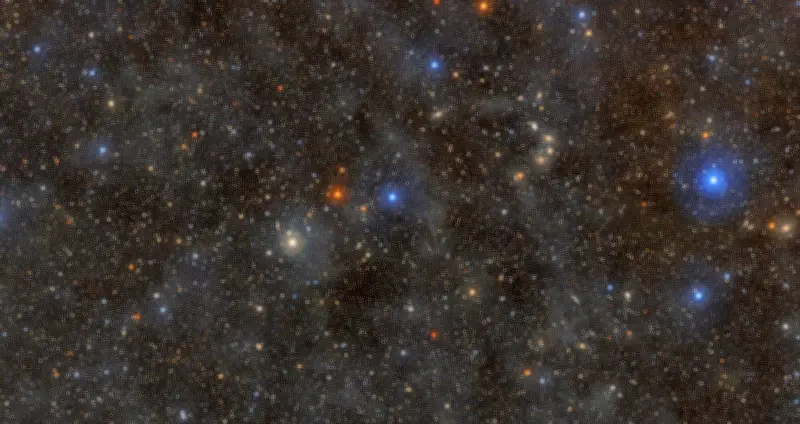
The camera, built at SLAC National Accelerator Laboratory in California, is the size of a small car and weighs about 3 tons. Its first images were released on June 30, 2026, showing stars in the constellation Lupus. The Legacy Survey of Space and Time (LSST) will image the entire visible southern sky every few nights for 10 years, producing about 20 terabytes of data per night.
Scientific goals
The survey aims to catalog billions of galaxies, track near-Earth asteroids, study dark matter and dark energy, and map the Milky Way. According to the National Science Foundation and the Department of Energy, which funded the project, the observatory will detect millions of supernovae and potentially thousands of new asteroids and comets.

Impact on astronomy
Scientists expect the LSST to generate data that will transform understanding of the universe. The camera's wide field of view—about 40 times the area of the full moon—allows it to survey the sky rapidly. The first public data release is expected in 2028.