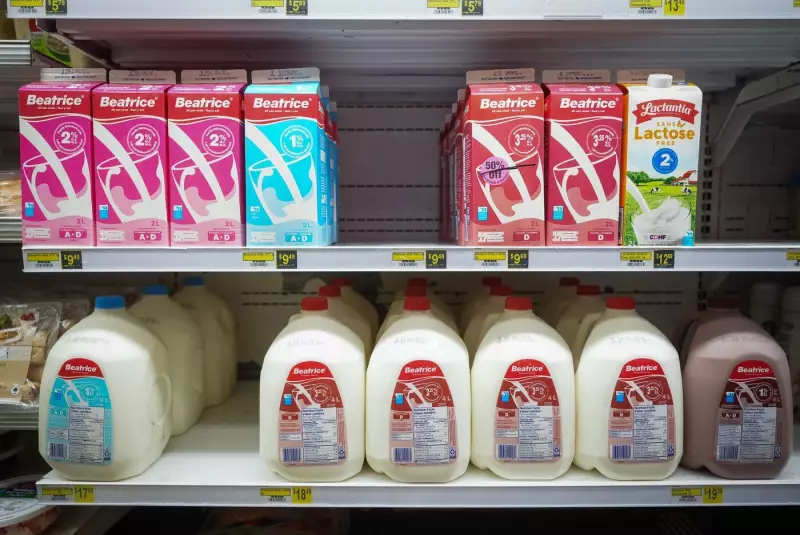
Grocery store operators across Manitoba are raising the alarm, stating that a provincial freeze on the price of milk is putting significant financial pressure on their businesses. The policy, intended to provide relief to consumers, is instead creating a difficult squeeze on retailers' already thin profit margins.
The Core of the Grocers' Complaint
The issue stems from the Manitoba government's decision to halt increases in the regulated price of milk. While this may appear beneficial for shoppers at the checkout, grocers argue they are absorbing the difference as their own costs continue to rise. These costs include energy, transportation, and labour, all of which have seen inflationary increases. Retailers say they are caught between fixed selling prices and escalating operational expenses, a situation they describe as unsustainable in the long term.
Potential Consequences for Stores and Shoppers
Industry representatives warn that the financial strain could lead to several negative outcomes. To offset losses in the dairy aisle, stores might be forced to raise prices on other, non-regulated goods. Alternatively, some may reduce their orders or the variety of dairy products they carry, potentially limiting consumer choice. In the most severe scenarios, smaller, independent grocers could face existential threats to their viability, impacting local food access, particularly in rural communities.

A Broader Look at Regulated Pricing
This dispute highlights the complex balancing act of regulated commodity pricing in Canada. Dairy supply management is a federal system, but provinces can influence consumer prices. The grocers' plight underscores the unintended consequences that can arise when one part of the supply chain is held static while others are in flux. The situation in Manitoba serves as a case study for other regions considering similar consumer protection measures, emphasizing the need for policies that consider the entire retail ecosystem.
As of January 16, 2026, the grocers' concerns have been formally presented, calling for a re-evaluation of the price freeze mechanism. The outcome of this dispute will be closely watched by retailers, dairy producers, and consumers alike, as it will set a precedent for how affordability and business sustainability are balanced in the grocery sector.