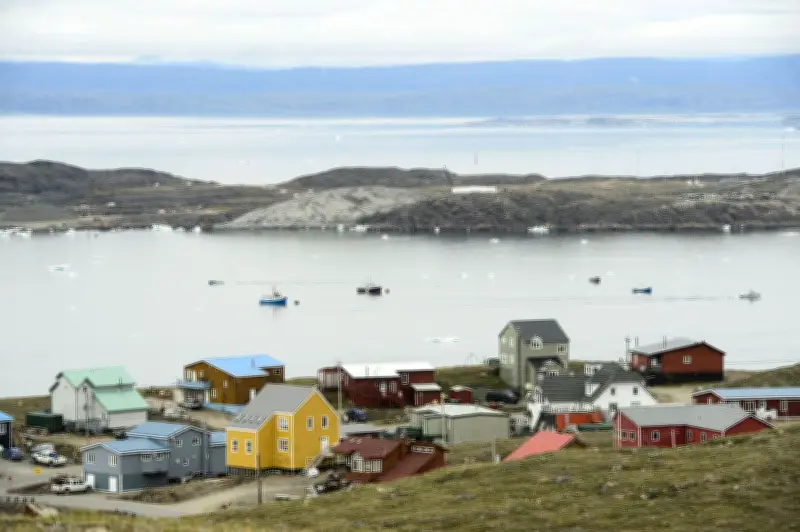
The Nunavut Land Use Plan, a massive document years in the making that aimed to direct land and water use across the territory, has been rejected, according to a report from The Canadian Press published July 3, 2026. The plan was intended to balance conservation, resource development, and Inuit rights across Nunavut's vast landscape.
Plan's Purpose and Development
The plan was developed through extensive consultation between the Nunavut Planning Commission, Inuit organizations, and federal authorities. It sought to designate areas for protection, resource extraction, and community use, covering millions of square kilometers. The rejection follows a lengthy review process and marks a significant setback for coordinated territorial management.
According to sources familiar with the decision, the plan was rejected due to unresolved conflicts over land designations and concerns from Inuit groups about insufficient recognition of Indigenous rights and traditional land use. The federal government has not provided a detailed explanation for the rejection.

Impact and Reactions
The rejection leaves Nunavut without a comprehensive land-use framework, potentially delaying major projects and conservation efforts. Inuit leaders expressed disappointment, emphasizing the years of work invested. “This is a devastating blow to our communities who have waited decades for a plan that respects our rights and our land,” said one Inuit representative, according to The Canadian Press.
The decision also raises questions about the future of resource development in Nunavut, including mining and oil and gas projects, which require clear land-use guidelines. Environmental groups had supported the plan as a tool for protecting fragile Arctic ecosystems.
Next Steps
Stakeholders are now calling for renewed negotiations to salvage elements of the plan. The Nunavut Planning Commission has indicated it will seek further discussions with federal and territorial governments. No timeline has been set for a revised proposal.