A prolonged and dangerous heat wave that has gripped parts of North America for days is finally entering its final stretch, but forecasters warn it could fuel powerful thunderstorms during July Fourth celebrations. The extreme temperatures, which have shattered records and prompted heat warnings across several provinces and states, are expected to give way to a volatile weather pattern just in time for the holiday.
Heat Wave Culminates on July 4
The National Weather Service and Environment Canada have issued heat warnings for major cities including Washington, D.C., New York, Toronto, and Montreal. In the U.S. capital, temperatures soared above 95°F (35°C) with humidity making it feel like 105°F (40°C). Joggers were seen running past the Lincoln Memorial and Washington Monument as dawn broke over Arlington, Virginia, on Friday, July 3, 2026, seeking relief from the oppressive conditions.
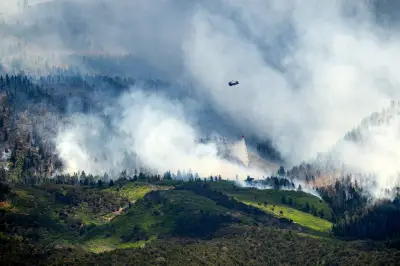
In Canada, the Maritimes are experiencing a blanket of heat and humidity, with humidex values exceeding 40 in some areas. The extreme heat has caused sidewalks to buckle in Kitchener, Ontario, and sparked new wildland fires in northeastern Ontario due to lightning strikes. One child dies in a hot vehicle in Canada every year, prompting renewed warnings about the dangers of leaving children or pets in parked cars.

Storms Likely as Cold Front Arrives
Meteorologists predict that a cold front moving in from the west will collide with the stagnant hot air mass, creating conditions ripe for severe thunderstorms. These storms could bring damaging winds, large hail, and heavy rainfall, potentially disrupting outdoor barbecues and fireworks displays. According to Environment Canada, the risk is highest in parts of Ontario, Quebec, and the northeastern United States.
“The heat wave is finally breaking, but the transition won’t be smooth,” said a senior climatologist. “We could see explosive thunderstorm development on July 4 itself, especially in the afternoon and evening.”
Heat-Related Deaths and Emergency Responses
The heat wave has already claimed lives in Europe, where a separate deadly heat event has pushed temperatures above 110°F (43°C) in Spain and Portugal. In Canada, while no direct heat-related deaths have been confirmed, emergency rooms have seen an increase in heatstroke cases. The city of Ottawa continues a difficult flood cleanup after heavy rain exacerbated by the heat caused sinkholes and water damage in cemeteries.
In British Columbia, a small plane crash in High River injured two people as the heat affected aircraft performance. Meanwhile, a fire engulfed a residence in Holtyre, east of Timmins, Ontario, and lightning strikes sparked new wildland fires in the region.
Infrastructure Strain and Safety Warnings
The extreme heat has also taken a toll on infrastructure. Sidewalks buckled in Kitchener, and a boating ban was lifted at Victoria Park in the same city as water levels receded. In Barrie, Ontario, a massive snow mountain—a leftover from winter—defied the heat wave and remained in July, drawing curious onlookers.
Authorities are urging people to stay hydrated, avoid strenuous outdoor activities during peak heat, and never leave children or pets in vehicles. “Temperatures inside a car can rise to deadly levels in minutes,” warned a safety official.