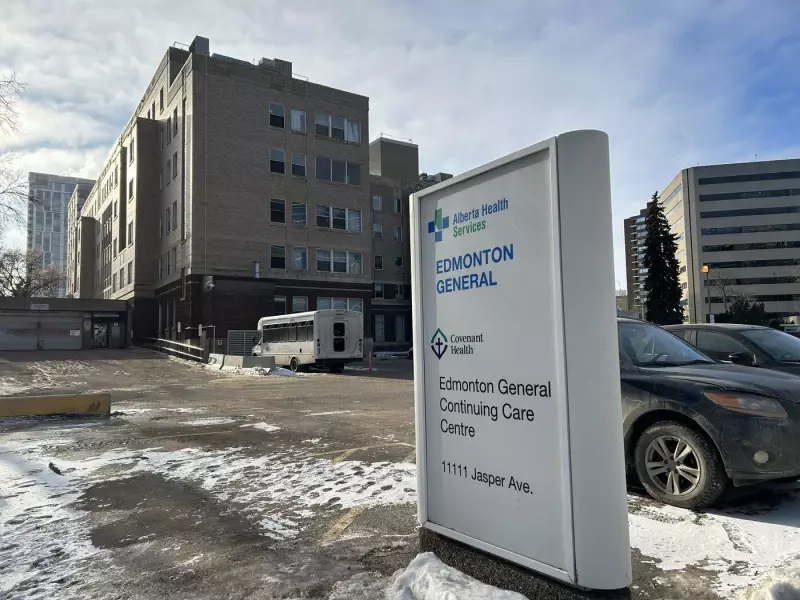
Edmonton Senior Care Facility Grapples with Widespread Mouse Infestation
The Edmonton General Continuing Care Centre, a prominent senior care facility located in downtown Edmonton, is currently confronting a severe and distressing mouse infestation. Reports indicate that mouse droppings have been discovered in multiple areas throughout the building, sparking immediate health and safety alarms for the vulnerable elderly residents and the dedicated staff who care for them.
Immediate Health Risks and Operational Challenges
This infestation presents significant public health risks, particularly in a setting housing seniors who may have compromised immune systems or pre-existing health conditions. Mouse droppings can carry harmful bacteria and viruses, potentially leading to respiratory issues or the spread of diseases such as hantavirus. The presence of rodents also raises concerns about food safety, contamination of medical supplies, and overall sanitation within the care home.
Management at the Edmonton General Continuing Care Centre is undoubtedly facing immense operational pressure to address this crisis swiftly and effectively. Eradicating a mouse infestation in a large, multi-story facility like this requires a comprehensive pest control strategy, likely involving professional exterminators, thorough cleaning protocols, and structural repairs to seal entry points. The process must be handled with extreme care to minimize disruption to residents' daily routines and ensure their comfort and dignity are maintained.

Broader Implications for Senior Care Standards
This incident sheds light on the broader challenges facing long-term care facilities in Alberta and across Canada. Maintaining impeccable hygiene and pest control in aging buildings, often operating under tight budgetary constraints, is a constant struggle. The situation at the Edmonton General Continuing Care Centre prompts urgent questions about provincial inspection regimes, funding adequacy for facility maintenance, and the enforcement of stringent health standards in senior living environments.
Families of residents are rightfully concerned, seeking assurances that their loved ones are safe and that the facility is taking all necessary corrective actions. Transparency from the care home's administration regarding the steps being taken, the timeline for resolution, and any interim measures to protect residents is crucial to maintaining public trust.
As Edmonton authorities and Alberta Health Services likely become involved, this case may serve as a catalyst for reviewing and strengthening pest management protocols in all congregate care settings. The well-being of Canada's seniors must remain an absolute priority, and incidents like this underscore the critical need for vigilant oversight and proactive investment in care home infrastructure.