The Public Health Agency of Canada (PHAC) has issued a clarification regarding a travel health notice for the chikungunya virus. This update provides crucial information for Canadian travelers about the risks associated with this mosquito-borne illness.
Understanding the Chikungunya Virus
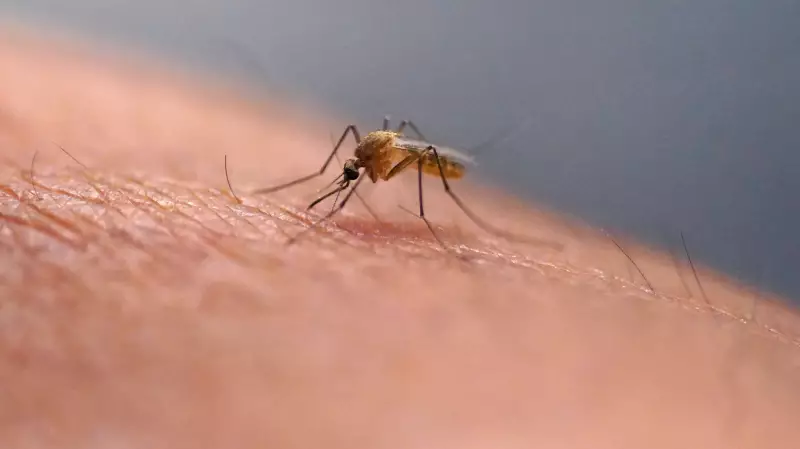
Chikungunya is a viral disease transmitted to humans through the bite of an infected mosquito. Common symptoms include the sudden onset of fever and severe joint pain, often accompanied by muscle pain, headache, and rash. While the disease is rarely fatal, the joint pain can be debilitating and may persist for months, impacting a patient's quality of life.
The original advisory was published on November 18, 2025, with an update following on November 19, 2025. PHAC's clarification aims to ensure that Canadians have the most accurate and up-to-date information to make informed decisions about their travel health and safety.

Details of the Updated Advisory
The updated notice from the federal health agency emphasizes that chikungunya is primarily found in tropical and subtropical regions of Africa, Asia, and the Americas. Travelers to these areas are at the highest risk of exposure. The clarification likely addresses the specific geographic areas of concern and offers refined guidance on preventive measures.
Mosquitoes that carry the virus are typically active during the daytime. PHAC underscores that there is no specific antiviral treatment for chikungunya, making prevention the most critical defense for travelers.
Protecting Yourself While Traveling
For Canadians planning international travel, proactive prevention is the best strategy against chikungunya and other mosquito-borne viruses like dengue and Zika. PHAC recommends several key protective measures.
Travelers should use insect repellent containing DEET or icaridin, wear long-sleeved shirts and long pants, and stay in accommodations with screened windows or air conditioning. Eliminating standing water where mosquitoes breed is also an important community and individual effort.
By issuing this clarification, PHAC reinforces its commitment to protecting the health of Canadians abroad and ensuring public health communications are clear and effective.