AI Revolutionizes Interior Design: How Technology is Transforming Living Spaces
As artificial intelligence tools become increasingly mainstream, the architecture and interior design industries are experiencing their most substantial transformation in decades. Professionals who have traditionally relied on hand sketches and digital software are now embracing AI to reimagine living spaces with unprecedented speed and precision.
The Evolution of Design Visualization
For generations, architects and interior designers have employed various tools to analyze concepts and communicate their visions. The fundamental challenge of visualizing non-existent spaces and translating them into understandable illustrations has always defined the profession. Before digital tools dominated the landscape, renderers would meticulously hand-sketch and paint illustrations based on architectural plans, using these creations for marketing materials and client approvals.
The introduction of software like AutoCAD revolutionized the field, accelerating processes and shifting required skills from hand drawing to graphic design. Today, another seismic shift is underway as professionals harness AI capabilities for renderings and real-time mock-ups that were previously unimaginable.

Early Adopters Leading the Transformation
Bao-Nghi Nhan, partner and director of architecture at Vancouver's McKinley Studios, represents the vanguard of this technological revolution. Her firm has integrated multiple AI tools into their design processes and believes embracing this technology provides competitive advantages. "Early adopters will likely be in demand," Nhan emphasizes, highlighting how forward-thinking firms are positioning themselves for future success.
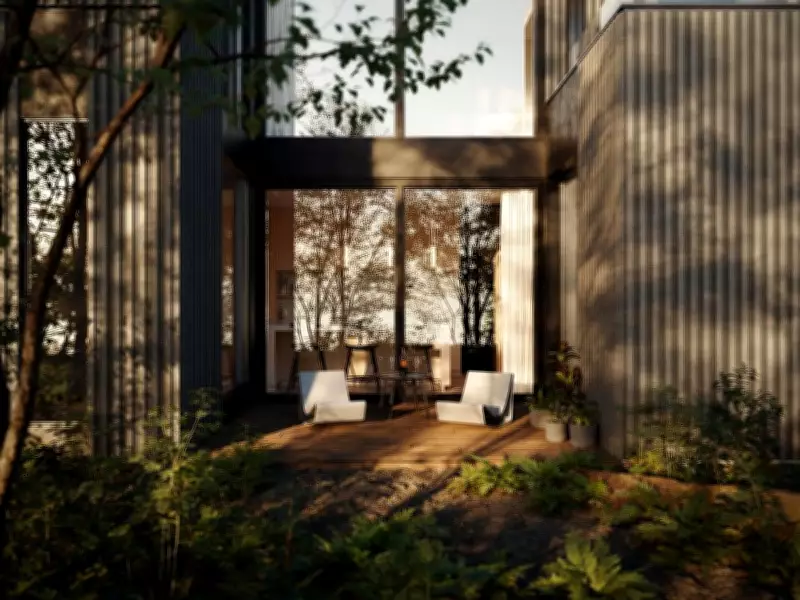
McKinley Studios recently demonstrated AI's practical applications while designing a waterfront Chesterman Beach home in Tofino. The team employed AI tools throughout various project phases, from initial concept development to refining fine details in renderings and enhancing client presentations. This comprehensive integration showcases how AI is becoming embedded in modern design workflows.
Streamlining Complex Design Processes
During the exploratory phase of McKinley's Commonplace prefabricated homes project, the firm utilized AI scripts to generate numerous design options and analyze how these structures would interact with different land sites. "We were able to site test and review multiple options in a much shorter time period," Nhan explains, highlighting the efficiency gains.
Beyond time savings, Nhan credits AI with streamlining internal processes, improving client communication, and increasing client buy-in during early design phases. Once renderings reached their final stages, the team further employed AI to refine visual elements, creating more compelling presentations that helped secure project approvals.
Complementing Human Creativity
Despite AI's impressive speed and ability to produce sleek outputs, Nhan cautions that these tools cannot replace human ideation and intuition. Designers and architects must maintain their roles as curators and creative thinkers to avoid generic results. "All tools, whether they be 3D modelling, drafting, BIM or AI tools should be used with intention, and grounded by the author's conceptual framework," she advises.
This balanced approach is echoed by Jamie Banfield Design, another firm integrating AI software into their interior and architectural design workflows. They utilize AI image-generation tools including Midjourney, DALL·E, and Stable Diffusion to brainstorm concepts, develop mood boards, and explore diverse design directions.
Enhancing Collaboration and Decision-Making
Banfield explains how AI enables rapid exploration of space form and function, helping prevent expensive on-site errors or late-stage directional changes before committing to detailed modelling. For reviewing, coordinating, and editing design PDFs while communicating across consultants, trades, and permitting authorities, the firm employs AI design collaboration tool Bluebeam Revu.

"AI helps us pressure-test ideas," Banfield notes, explaining how this technology enables better-informed decisions that elevate work quality and strengthen collaboration. This represents a fundamental shift in how design teams approach problem-solving and project development.
The integration of AI into architecture and interior design marks more than just technological advancement—it represents a paradigm shift in how professionals conceptualize, develop, and present living spaces. As tools continue evolving, the industry stands at the threshold of unprecedented creative possibilities tempered by the enduring need for human vision and expertise.