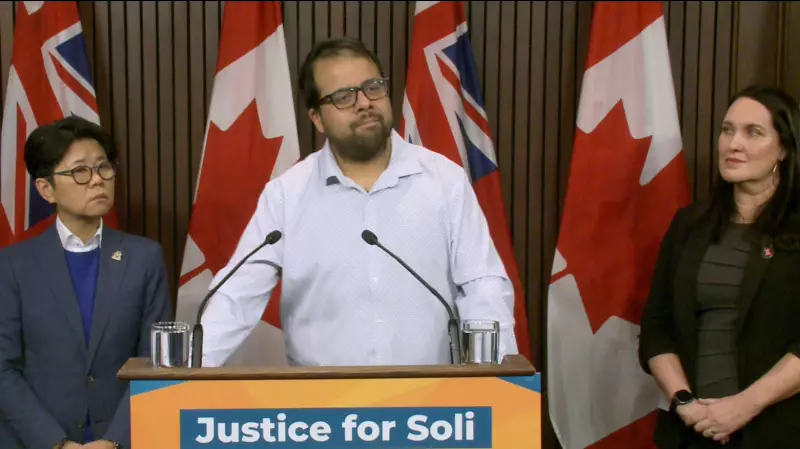
The family of Soleiman Faqiri is demanding a formal apology from Ontario's premier and urgent action on the recommendations from a recent inquest into his death. The call comes as advocates state the inquiry has exposed difficult truths about the province's correctional system.
A Death in Custody and a Family's Quest for Justice
Soleiman Faqiri, a man with schizophrenia, died in an Ontario correctional facility in December 2016. A recent coroner's inquest into his death concluded with dozens of recommendations aimed at preventing similar tragedies. The jury found his death was a homicide. The Faqiri family, supported by the Canadian Civil Liberties Association (CCLA), argues the inquest "reveals a truth many don't want to hear" about the treatment of mentally ill individuals in provincial prisons.
The Call for Accountability and Systemic Change
The family's demands are twofold. First, they seek a direct apology from the premier of Ontario, holding the provincial government accountable for the failures that led to Soleiman's death. Second, they are urging the immediate implementation of the inquest's recommendations. These proposals focus on improving mental health care, use-of-force protocols, and oversight within correctional institutions. Advocates emphasize that without swift government action, the inquest's findings will remain merely symbolic.

Broader Implications for Ontario's Justice System
This case has become a focal point for broader discussions about justice, mental health, and human rights in Canada. The CCLA and other watchdog groups contend that Faqiri's death is not an isolated incident but rather a symptom of systemic issues within Ontario's carceral system. The push for an apology and reform underscores a growing public demand for transparency and substantive change in how vulnerable populations are treated while in state custody.
The family's public campaign places significant pressure on the provincial government to respond not just with words, but with concrete policy changes and a commitment to preventing future deaths behind bars.