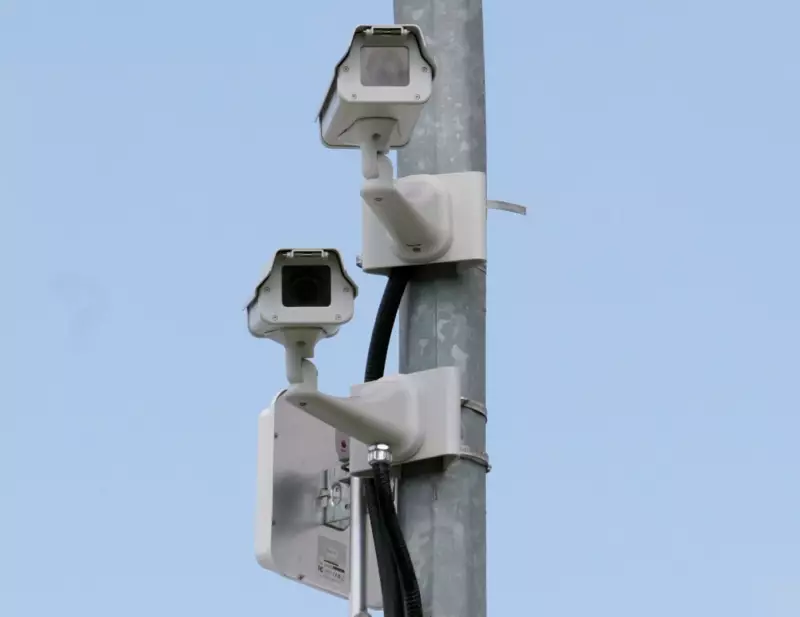
The City of Richmond is gearing up for a legal confrontation with British Columbia's privacy commissioner. Municipal officials have announced they will formally challenge an order to remove a network of surveillance cameras installed throughout the community.
A Clash Between Privacy and Security
At the heart of the dispute is a fundamental tension between an individual's right to privacy and a municipality's duty to ensure public safety. The Office of the Information and Privacy Commissioner (OIPC) for B.C. issued the directive, concluding that the city's camera program infringes on citizens' privacy rights without sufficient justification or proper safeguards. The city, however, contends that the cameras are a vital tool for crime prevention and investigation, arguing they enhance security in public spaces.
The City's Stance and Legal Grounds
Richmond's decision to fight the order signals a significant investment in its surveillance infrastructure and a belief in its legality. City representatives are expected to argue that the program operates within a legal framework designed to balance security needs with privacy concerns. They likely point to specific instances where footage has aided law enforcement. The challenge will be filed with the Supreme Court of British Columbia, setting the stage for a precedent-setting case that could influence how other municipalities across Canada deploy similar technology.

The case raises critical questions about the scale and oversight of municipal surveillance. Key issues include:
- The specific locations of the cameras and their necessity.
- The policies governing data retention, access, and public notification.
- Whether less intrusive measures could achieve the same security goals.
Broader Implications for Municipalities
The outcome of this legal battle will have ramifications far beyond Richmond's borders. Cities nationwide are watching closely, as many grapple with integrating technology into public safety initiatives while navigating evolving privacy laws. A ruling in favor of the privacy commissioner could force a widespread reevaluation of existing camera programs. Conversely, a win for Richmond might empower other cities to expand their surveillance networks. This case, initiated in January 2026, underscores the ongoing and complex debate about the limits of observation in public life and the role of regulatory bodies in checking municipal power.
As the challenge proceeds, residents of Richmond and privacy advocates across B.C. await a judicial ruling that will define the boundaries of surveillance in the public interest for years to come.